

NEW PATIENT SPECIAL OFFERS – CLICK HERE

FAMILY & COSMETIC DENTISTRY
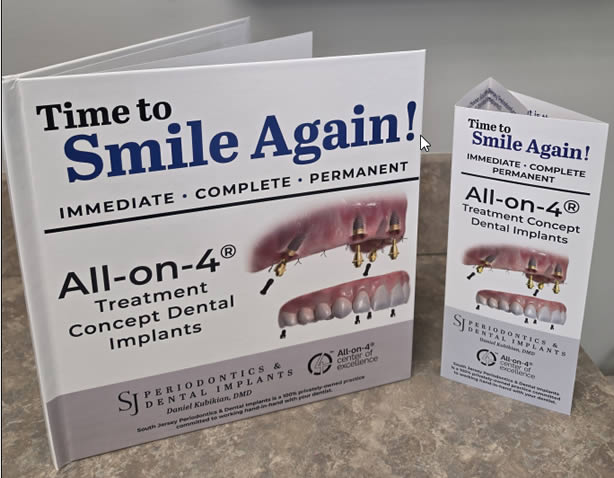
Welcome to Lakeside Dental, The Dental Offices of Dorothy Drain DMD. We Proudly Serve Sicklerville and The Surrounding Areas
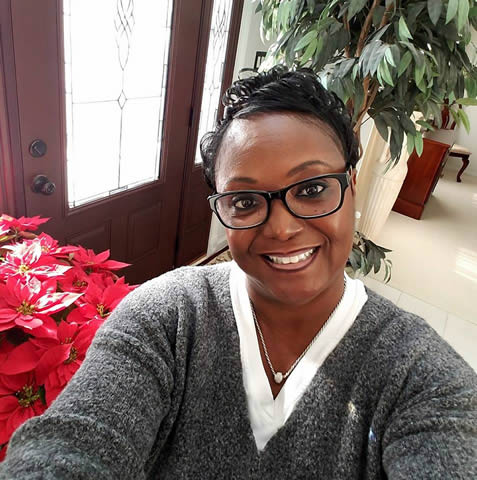
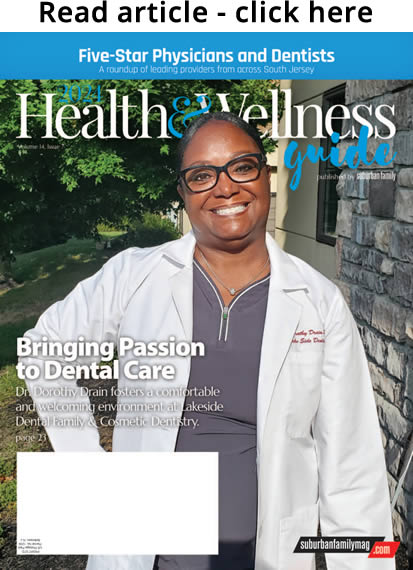
Dr. Drain Has been practicing dentistry for more than 25 years.
Solo practitioner of privately owned Lakeside Dental Cosmetic and Family Dentistry. The practice is a full service office, performing Root Canals, Cosmetic Crowns, Dental Bridges, Bondings, Dental Implants, Oral Surgery, Bone Grafts and many other dental treatments that enhances your beautiful smile.
Dr. Drain is Family oriented. Married for 24 years with a beautiful daughter attending Tufts University (School Of Dental Medicine).
Dr. Drain received her Doctor of Dental Medicine degree from Case Western Reserve University School of Dental Medicine in Cleveland, Ohio 1994.
CARING FOR YOUR ENTIRE FAMILY
From general family dental care to advanced cosmetic dentistry, our team is dedicated to treating your family like our own.

CARING FOR YOUR ENTIRE FAMILY
From general family dental care to advanced cosmetic dentistry, our team is dedicated to treating your family like our own.

TEETH WHITENING
Turn up the wattage on your pearly whites with professional teeth whitening. You can look years younger and feel better than ever.

COSMETIC DENTISTRY
If you feel embarrassed by how your teeth look, cosmetic dentistry may be a great option. The modern dental procedures and techniques used by Dr. Drain can remove imperfections and create a fabulous, new image. With a customized plan and advanced materials, Dr. Drain will completely revitalize your oral health and appearance.
WHAT OUR PATIENTS ARE SAYING
Recent Blog Posts
The Link Between Stress and Teeth Grinding
Read More
Understanding Root Canal Treatment
Read More
Everything You Should Know About Permanent Dentures
Read More
Root Canal Therapy: Signs You Shouldn’t Ignore
Read More